
The 20-Step Advanced Facial Protocol: Every Device Explained
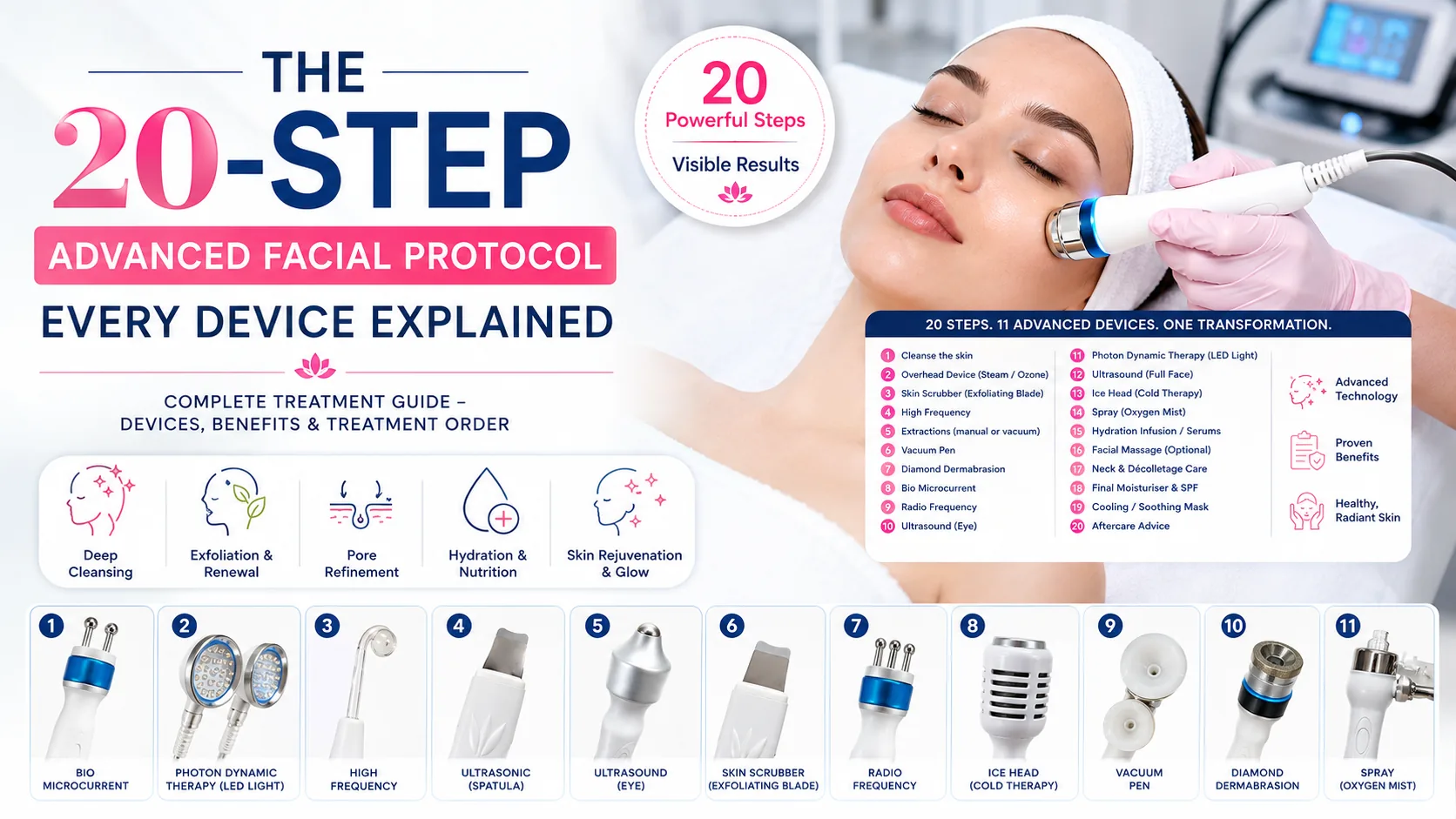
If you've ever seen a "20-step facial" mentioned online and wondered whether it's marketing spin or an actual clinical process, it's the latter. It's a structured aesthetic treatment that layers up to eleven different skin technologies, from LED light and radio frequency to microcurrent and diamond dermabrasion, into one carefully sequenced session, rather than relying on a single technique to do all the work. Below, we break down exactly what each device does, why the order they're used in matters, and who this kind of treatment tends to suit.
What Is the 20-Step Advanced Facial Protocol?
Think of a standard facial as a single tool doing one job. A protocol facial is closer to a toolkit: cleansing devices, exfoliating devices, devices that heat the skin, devices that cool it, and devices that simply help your products absorb better, all used in a specific sequence during one appointment.
This approach has become more common in professional aesthetic clinics for a simple reason. Skin rarely has just one need. Someone with congested pores might also have fine lines. Someone chasing a brighter, more even tone might also want firmer contours. A multi-step protocol lets a practitioner address several of these concerns in a single visit, rather than booking separate appointments for separate machines.
It's worth saying plainly: this isn't a treatment you do at home with a gadget from a shopping app. Each device works best, and most safely, in the hands of a trained practitioner who can read your skin, adjust intensity accordingly, and know when to skip a step altogether.
Why Does the Treatment Order Matter?
The sequence isn't arbitrary. Skin needs to be cleansed and opened before it can be effectively exfoliated. It needs to be exfoliated before extractions make sense. Active, stimulating devices (the ones that heat or electrically stimulate the skin) come through the middle of the protocol, once the surface is properly prepared. Calming, cooling and hydrating steps are saved for the end, when the skin is at its most reactive and needs settling rather than stimulating.
We'll walk through the full 20-step order later in this guide. First, here's what each of the eleven core devices actually does.
The 11 Devices Used in the Protocol, Explained
Some of these tools will be familiar from beauty magazines; others are less well known outside a clinic setting. Here's what each one is, in plain terms.
1. Bio Microcurrent
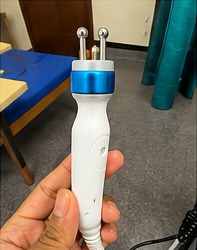
Microcurrent devices deliver a very low-level electrical current (measured in microamps, far below what you'd feel from a household shock) that closely mirrors your body's own natural electrical signals. The theory behind it is straightforward: your facial muscles, like any muscle, respond to gentle electrical stimulation, and the current is also thought to support ATP (cellular energy) production in the skin.
In practice, most people feel a mild tingling or a slight muscle twitch rather than anything uncomfortable. Because it works on the muscle layer rather than the surface, it's often used to address a tired, "drooping" appearance and to help skin products absorb more effectively afterwards. Within the protocol, it tends to sit in the middle of the sequence, once the skin has already been cleansed and exfoliated.
2. Photon Dynamic Therapy (LED Light Therapy)
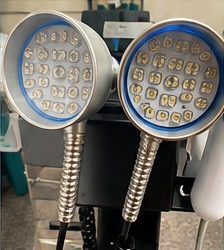
LED light therapy uses specific wavelengths of light to trigger a response at a cellular level. Different colours penetrate the skin to different depths and are linked to different effects: red light is generally associated with supporting collagen production and reducing the appearance of fine lines, while blue light is more commonly associated with targeting the bacteria linked to breakouts.
There's no heat, no needles and no downtime involved. Most patients describe it as one of the most relaxing parts of the whole protocol: you simply lie back under the panel while it does its work. It's typically used to help calm inflammation and support the skin's own repair process after the more physically active steps earlier in the treatment.
3. High Frequency
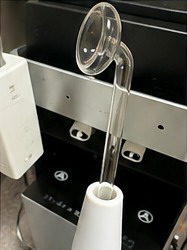
High-frequency devices are one of the older tools in professional skincare. Versions of this technology have been used in European facials for decades. A glass electrode carries a gentle oscillating current that produces a small amount of ozone at the skin's surface, which has a bactericidal (bacteria-killing) effect, along with a mild warming sensation that temporarily boosts local circulation.
This makes it a popular choice for skin that's prone to breakouts, as it targets the surface bacteria associated with acne spots while also helping calm existing inflammation. Many practitioners also use it directly after extractions, since the antibacterial effect is useful on freshly cleared pores.
4. Ultrasonic (Spatula)
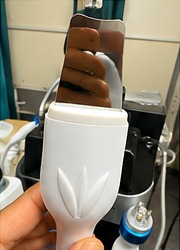
The ultrasonic spatula uses high-frequency sound vibrations, transmitted through a flat metal blade, to gently lift away dead skin cells, excess oil and surface debris. Unlike a physical scrub, the exfoliation happens through vibration rather than abrasion, which tends to make it comfortable even on skin that wouldn't tolerate a harsher manual exfoliant.
Alongside exfoliating, the vibration action helps loosen the contents of congested pores, making it a useful step before extractions. It also improves how well serums and treatments applied afterwards are able to absorb into the skin.
5. Ultrasound (Eye Area)
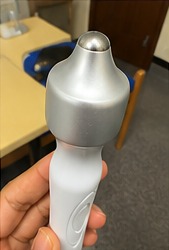
The skin around the eyes is thinner and more delicate than anywhere else on the face, which is why it gets its own dedicated device rather than being treated with the same tools used on the rest of the face. This smaller ultrasound applicator delivers focused, gentle ultrasound energy specifically to this area, aimed at supporting circulation and collagen activity.
It's commonly used to help address the appearance of puffiness and dark circles, and to support lymphatic drainage (the body's natural process for clearing excess fluid) around the eye area. Because the skin here is so sensitive, the energy level used is always lower than on the rest of the face.
6. Skin Scrubber (Exfoliating Blade)
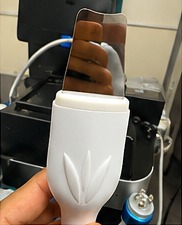
Similar in principle to the ultrasonic spatula but used earlier in the protocol, the skin scrubber combines ultrasonic vibration with a flat blade edge to lift away dead skin cells and impurities sitting on the surface. This is typically one of the very first active steps, straight after cleansing, because its main job is preparation: clearing the surface so that later steps, particularly extractions, can be more effective and more comfortable.
Patients generally find it a pleasant, almost ticklish sensation rather than anything harsh, and there's no downtime associated with it.
7. Radio Frequency
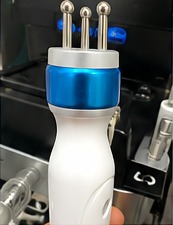
Radio frequency uses controlled energy to gently warm the deeper layers of the skin, well below the surface. That warmth is thought to encourage the skin's own natural collagen and elastin production over time, which is why radio frequency is commonly associated with firmer, more contoured-looking skin.
You'll typically feel a warming sensation during treatment, similar to a hot stone massage rather than anything sharp or stinging. Because it works on the deeper skin layers, its effects tend to build gradually rather than appearing overnight, which is why it's often recommended as part of a course rather than a single session.
8. Ice Head (Cold Therapy)
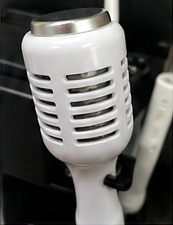
After several steps that actively stimulate the skin, the ice head brings the temperature back down. Cold therapy is a well-established way to calm redness and swelling, which is also why it's often recommended for skin conditions like rosacea, while temporarily tightening the appearance of pores and generally soothing skin that's had a busy treatment session.
Most patients find this one of the most comfortable parts of the whole protocol: a cooling, calming sensation that signals the "active" phase of the treatment is coming to a close.
9. Vacuum Pen
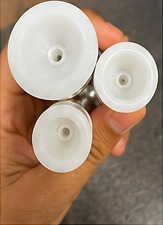
The vacuum pen uses gentle suction to draw out debris, oil and congestion from the pores. It's a targeted, precise tool. Practitioners typically use it on specific congested areas (commonly the nose, chin and forehead) rather than across the whole face, and it's often paired with manual extractions to reach anything the earlier exfoliation steps have loosened but not fully cleared.
Because it's working directly on congestion, this step tends to be reserved for areas that actually need it, based on what the practitioner sees during your consultation.
10. Diamond Dermabrasion
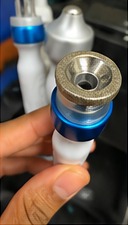
Diamond dermabrasion uses a wand tipped with fine diamond particles to physically resurface the skin, removing the outermost layer of dead cells. It's a more thorough form of exfoliation than the earlier ultrasonic steps, and is commonly used to help address the appearance of superficial acne marks, uneven texture and dull-looking skin.
Because it's a slightly more intensive step, it's positioned after the initial gentler exfoliation and cleansing stages, once the practitioner has had a chance to assess how the skin is responding to the treatment so far.
11. Spray (Oxygen Mist)
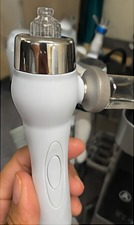
The protocol closes its active phase with a fine mist that combines oxygen with hydrating serums, delivered directly onto the skin. This step is about giving back what the earlier, more active steps can temporarily take out: moisture and calm.
It leaves the skin feeling soothed and refreshed, and because the skin has just been through cleansing, exfoliation and various forms of stimulation, this hydration step matters more than it might seem. Skin that's been prepared and treated absorbs a hydrating mist particularly well.
The Full 20-Step Treatment Order, Explained
Here's how a complete protocol typically flows from start to finish, and the reasoning behind each stage:
| Step | What Happens | Purpose |
|---|---|---|
| 1 | Cleanse the skin | Remove makeup and surface impurities |
| 2 | Overhead device (steam/ozone) | Open pores and prepare skin |
| 3 | Skin Scrubber (exfoliating blade) | Exfoliate and deep cleanse |
| 4 | High Frequency | Kill bacteria and reduce inflammation |
| 5 | Extractions (manual or vacuum) | Remove blackheads and debris |
| 6 | Vacuum Pen | Deep pore cleansing and congestion removal |
| 7 | Diamond Dermabrasion | Resurface and polish the skin |
| 8 | Bio Microcurrent | Tone and lift facial muscles |
| 9 | Radio Frequency | Stimulate collagen and tighten skin |
| 10 | Ultrasound (Eye) | Treat and rejuvenate the eye area |
| 11 | Photon Dynamic Therapy (LED Light) | Heal and rejuvenate skin |
| 12 | Ultrasound (Full Face) | Infuse products and boost absorption |
| 13 | Ice Head (Cold Therapy) | Calm and soothe the skin |
| 14 | Spray (Oxygen Mist) | Hydrate, soothe and refresh |
| 15 | Hydration infusion / serums | Deliver active ingredients |
| 16 | Facial massage (optional) | Relax muscles and promote lymph flow |
| 17 | Neck and décolletage care | Extend treatment benefits beyond the face |
| 18 | Final moisturiser and SPF | Protect and lock in hydration |
| 19 | Cooling or soothing mask | Calm and hydrate the skin |
| 20 | Aftercare advice | Provide home-care guidance |
Notice the pattern. Steps 1 to 7 are about preparation: cleansing, opening pores, exfoliating and clearing congestion, so that nothing gets in the way of the treatments that follow. Steps 8 to 14 are the "active" middle of the protocol, where devices like radio frequency and microcurrent do the heavier lifting. From step 15 onwards, everything is about restoring hydration, calm and protection before you leave the clinic.
One detail from the protocol is worth repeating here because it matters more than any individual device: energy levels and technique are always adjusted to the patient's skin type, sensitivity and condition, and a patch test should be carried out before first use of any new device. A protocol built around eleven different technologies only works well when someone qualified is deciding, in real time, which ones your skin actually needs that day.
Who Should Consider This Facial?
Because the protocol pulls together tools aimed at different concerns, it tends to suit people who don't have just one isolated skin issue. Someone dealing with occasional breakouts who's also noticed early fine lines is a good example, or someone wanting an all-round refresh before an event rather than a single targeted fix.
That said, "suitable for most people" isn't the same as "suitable for everyone, regardless of history." A few of these devices carry genuine contraindications:
- Radio frequency and microcurrent are generally not recommended during pregnancy, or for anyone with a pacemaker or other implanted electronic device.
- Active skin infections, unhealed wounds or severe active acne may mean certain steps need to be skipped or postponed.
- Very sensitive or reactive skin may need a modified version of the protocol, using fewer or gentler steps.
This is exactly why a proper consultation and medical history come before any treatment, not as a formality, but because it directly changes which of these eleven tools your practitioner should actually use on you. If you're booking with us, this is built into the booking process itself, where we ask about relevant medical history before your appointment.
What to Expect During and After Your Treatment
Most patients describe the experience as more spa-like than clinical, even though the technology behind it is genuinely advanced. Expect a mix of sensations: mild tingling from microcurrent, gentle warmth from radio frequency and high frequency, and a distinctly pleasant cooling and misting finish. None of the steps involve needles, and there's no surgical downtime.
Afterwards, skin often looks brighter and feels smoother almost immediately, thanks to the cleansing, exfoliating and hydrating steps. It's sensible to avoid strong active skincare ingredients (retinoids, strong acids) for a day or so afterwards, and, as with any facial treatment, to wear a proper SPF. That matters more than usual here, since freshly exfoliated skin can be more sensitive to sun exposure.
Effects that come from stimulating your own collagen and elastin, rather than simply cleansing and hydrating, tend to build up gradually. A single session can leave skin looking noticeably fresher, but the firming and toning benefits of devices like radio frequency and microcurrent are usually more visible after a short course.
How Often Should You Have This Facial?
There's no single correct answer here, and we'd be cautious of any clinic that gives you one without seeing your skin first. Some people book a protocol facial as a one-off ahead of an event, wanting the immediate glow and refreshed appearance. Others build it into a regular routine, commonly every few weeks, as part of an ongoing skin maintenance plan.
The right frequency for you depends on your skin goals, your skin type, and which specific steps your practitioner recommends. This is genuinely a conversation for your consultation rather than something we'd want to guess at in a blog post.
Book a Consultation
If you're curious whether the 20-step advanced facial protocol is right for your skin, the best next step is a proper consultation. We'll look at your skin, talk through your goals and medical history, and tell you honestly which parts of the protocol make sense for you, not just run through all twenty steps because they exist.
Flamingo Medical & Wellness is a CQC-registered private clinic in Basildon, Essex, and this protocol sits alongside our wider range of aesthetic treatments and skin treatments. You can see current pricing on our prices page, or book a consultation online in a couple of minutes. If you'd rather talk it through first, call us on 07437 346586.
Frequently Asked Questions
What is the 20-step advanced facial protocol? It's a structured facial treatment that combines up to 11 different skin technologies, including LED light, radio frequency, microcurrent and diamond dermabrasion, into one 20-step sequence. Rather than relying on a single technique, each device targets a different concern (cleansing, exfoliation, toning, hydration) in an order designed to prepare, treat and then calm the skin.
Does the 20-step facial hurt? Most patients describe the treatment as comfortable, and several steps (the ice head, the oxygen mist, the massage) are genuinely relaxing. Some devices, such as high frequency or radio frequency, produce a warm or tingling sensation rather than pain. Your practitioner adjusts the intensity of every device to your comfort and skin sensitivity.
How long does a full 20-step facial take? Because it combines multiple devices and finishes with hydration, massage and aftercare advice, a full protocol facial typically takes longer than a standard one-step facial. Exact timing depends on which steps are included for your skin, which is confirmed at your consultation.
Is this facial suitable for sensitive or acne-prone skin? Many of the individual steps, particularly high frequency, LED light and oxygen infusion, are commonly used specifically for acne-prone and reactive skin. That said, suitability always depends on your individual skin condition, so a consultation and patch test come first, and your practitioner will adjust or skip any step that isn't right for you.
Who shouldn't have this treatment? Certain devices in the protocol (particularly microcurrent and radio frequency) aren't suitable during pregnancy, for anyone with a pacemaker or other implanted electronic device, or over active skin infections and unhealed wounds. This is exactly why a full medical history is taken before any treatment. Always disclose your health conditions and medications at consultation.
How soon will I see results? Cleansing, exfoliating and hydrating steps tend to leave skin looking brighter and feeling smoother straight away. Effects that rely on stimulating your own collagen and elastin, whether from radio frequency, microcurrent or LED light, build up gradually and are usually more noticeable after a short course of treatments rather than a single visit.
How do I book the 20-step advanced facial? You can book a consultation online in a couple of minutes, or call the clinic directly. Because the exact combination of steps is tailored to your skin, we recommend starting with a consultation so your practitioner can confirm which parts of the protocol are right for you.
About Flamingo Medical & Wellness
Flamingo Medical & Wellness is a CQC-registered private clinic in Basildon, Essex, founded by Sandy Thomas, an Advanced Nurse Practitioner and Independent Prescriber. The clinic takes a nurse-led, consultation-first approach across aesthetics, skin treatments, weight management, ear care, IV therapy and travel health. Every treatment plan is built around the individual patient rather than a one-size-fits-all menu.
Guidance on aesthetic device safety and practitioner standards in this article is informed by publicly available information from the British Association of Dermatologists, the British Skin Foundation, Save Face (the UK's register of accredited aesthetic practitioners), and the Medicines and Healthcare products Regulatory Agency, which regulates medical devices in the UK. This article is intended as general information, not personal medical advice. Read our our story page for more on the clinic, or contact us with any questions.
Ready to book your appointment?
Book online in under a minute, or call the clinic to speak to our team.